The Power of Facials: Unlocking Oxytocin for Radiant Skin

Updated: Feb 3
What is Oxytocin and How Does It Affect Your Skin?
Oxytocin is commonly known as the “love hormone.” It’s released during bonding moments, like hugging or holding a child. But did you know that oxytocin is also produced directly in your skin? The primary cells in the outer layer of the skin, called keratinocytes, release oxytocin when they experience gentle, nurturing touch, such as during a facial massage.
How Oxytocin Helps Skin Look Younger
Oxytocin is often referred to as the “feel-good” hormone, and it plays a significant role in how your skin ages. As we grow older, skin cells can enter a stressed state, leading to ongoing inflammation. This inflammation breaks down healthy skin, resulting in wrinkles, loss of firmness, and a dull texture. Skin stress can stem from emotional or physical trauma, such as losing a loved one, work stress, unhealthy habits like alcohol and smoking, and many life events.
When oxytocin is released—through touch, relaxation, or nurturing experiences—it sends calming signals to the skin. It interacts with fibroblasts, the cells responsible for producing collagen and elastin. These proteins are essential for keeping skin firm, smooth, and elastic.
By supporting these cells and reducing inflammation, oxytocin helps slow the processes that weaken skin over time. The result? Skin that stays stronger, smoother, more resilient, and visibly more youthful! This is why facials are so important. If you’re not a regular, consider facials not just for special events but also during stressful times or as a quarterly treat.
Real-Life Observations and Clinical Evidence
The connection between oxytocin and skin health first caught attention through real-life patterns. People in new relationships often appear more radiant and glowing, while those under emotional stress tend to show signs of dullness, dryness, or breakouts. This observation led to a clinical study measuring oxytocin levels and their correlation with skin condition.
The study, published in the Journal of Drugs in Dermatology, found that participants with higher oxytocin levels had visibly healthier and younger-looking skin. This was the first clinical evidence showing oxytocin’s direct effect on skin health. It confirmed that nurturing touch and emotional well-being are closely linked to how our skin ages.

Why Regular Facials Matter for Your Skin’s Hormone Balance
Facials that include massage and high-quality ingredients do more than just cleanse and hydrate. They stimulate oxytocin release in the skin, supporting collagen and elastin production while reducing inflammation. This hormonal boost helps maintain the skin’s youthful function and appearance.
Practical Reasons to Consider Regular Facials
Here are some practical reasons to consider regular facials:
Stimulate oxytocin release: Gentle touch during facials triggers oxytocin production, supporting skin repair and anti-aging.
Reduce chronic inflammation: By downregulating SASP, facials help prevent inflammation-related skin damage.
Enhance product absorption: Massage improves blood flow and allows active ingredients to penetrate deeper. Hands and fingers are better than tools.
Promote relaxation: Lower stress levels also contribute to better skin health, as stress hormones can accelerate aging.
Support skin barrier: Facials help maintain hydration and protect against environmental damage.
Benefits of Using Neurocosmetics to Release Oxytocin for Your Skin
Neurocosmetics are formulated to communicate with the skin’s nervous system, not just sit on the surface. When they help trigger oxytocin release, the benefits go beyond hydration or glow.
Key Benefits of Neurocosmetics
Reduces inflammation: Oxytocin calms stress signals in the skin, lowering chronic inflammation—a major driver of premature aging, redness, and sensitivity.
Supports collagen and elastin: Oxytocin activates fibroblasts, the cells responsible for producing collagen and elastin. This helps maintain firmness, elasticity, and smoother texture.
Slows visible aging: By reducing inflammatory aging pathways, oxytocin helps protect skin from tissue breakdown that leads to wrinkles and loss of structure.
Improves skin barrier function: Calm skin functions better. When the nervous system is soothed, the skin barrier strengthens, reducing moisture loss and sensitivity.
Enhances facial treatment results: Touch, scent, and texture used in neurocosmetics amplify oxytocin release, making facials more effective and results longer-lasting.
Creates a mind-skin connection: Neurocosmetics don’t just improve how skin looks—they influence how it feels. Reduced stress hormones mean clearer, more balanced skin over time.
Bottom line: neurocosmetics work on the skin and the nervous system simultaneously. When oxytocin is supported, skin repairs better, ages slower, and functions the way it was designed to.

Loving Your Skin Is More Than Skin Deep
Why This Approach Matters
The skincare industry has reached a saturation point. Consumers are overwhelmed by products that promise transformation but deliver minimal results. Many of these products focus on a single mechanism, like increasing cell turnover or hydrating the outermost layer, without considering the underlying biology that drives skin health.
What we need now is a more integrative approach. The emerging category of neurocosmetics acknowledges the skin’s relationship to the nervous and endocrine systems. It recognizes that how we feel emotionally can influence how we look physically. This is not just a marketing trend; it's a scientific reality.
By enhancing the oxytocin signaling system in the skin, we discover a new method for promoting longevity—one that resonates with the body's natural functioning under conditions of safety, care, and connection. It isn't about forcing the skin into compliance; it's about naturally improving its performance.
Face It Skin Originated from the Conviction
True skin health arises from every aspect of our being, with emotional biology playing a crucial role. The skin (your largest organ), nervous system, and mind are all interconnected. The next significant advancement in skincare might not start with a synthetic compound or an innovative delivery method, but with an emotion or our feelings. Feelings that soothe the nervous system, diminish inflammation, and enable the skin to fulfill its natural functions: regenerating, repairing, and exuding health.
From the moment a product touches your skin and sends scents to your brain, you already know if it's what you want by what you are experiencing with the product. Face It Skin is designed to work with your biology, using the power of touch, formulation, and feeling to support healthier skin and more graceful aging—inside and out.
Questions? Genelle@faceitskin.net Shop: www.faceitskin.net
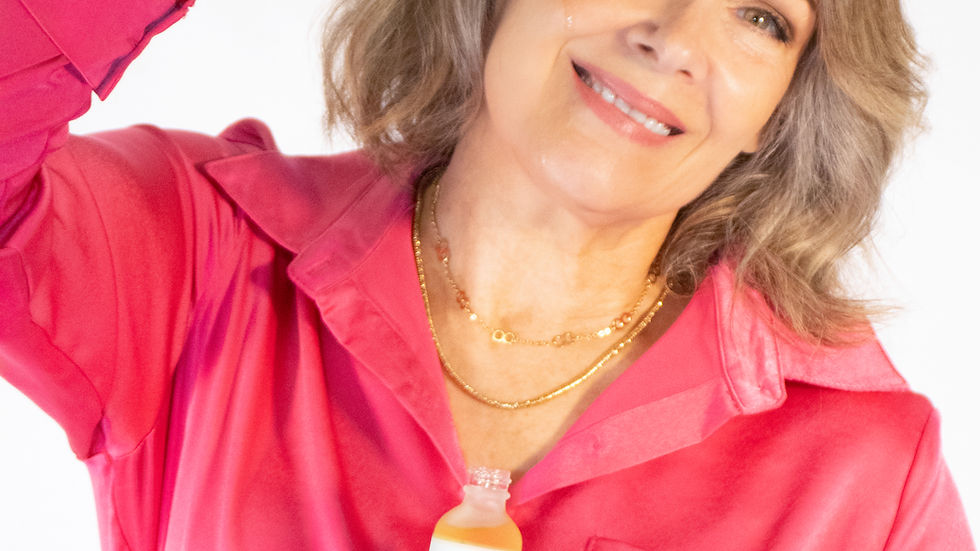
Genelle Holub
Pro MUA, NCE
Face It Skin
Founder


Comments